


Calcite: the soft stone that builds mountains
It scratches with a knife, yet it makes up limestone cliffs, marble statues, cave formations and seashells.
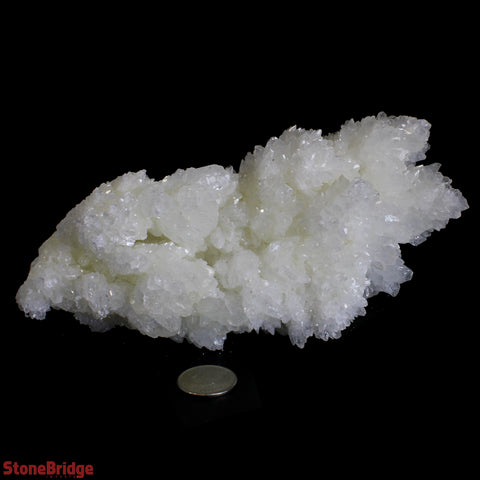
Calcite is calcium carbonate, one of the most common minerals on Earth. It makes up most of limestone and marble, the stalactites and stalagmites in caves, and the shells of many sea creatures. A great deal of the stone used in old buildings is, at heart, calcite.
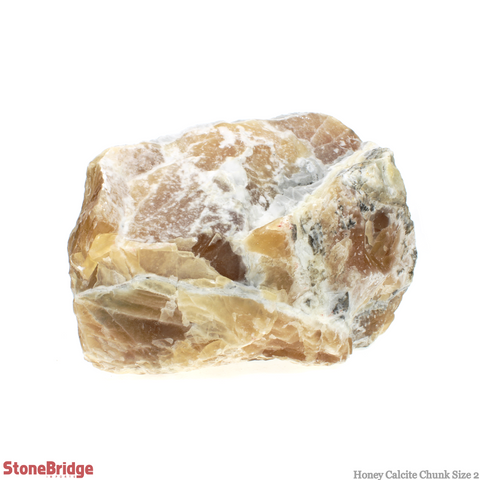
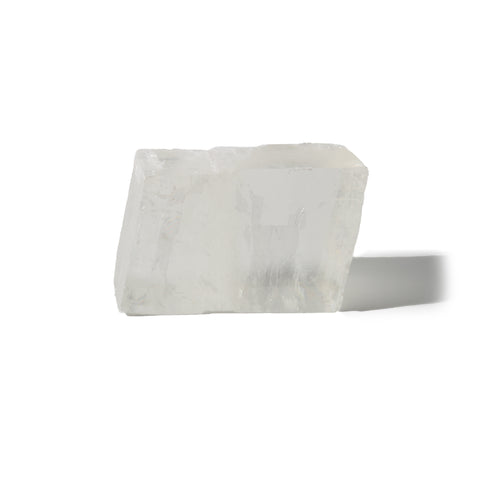
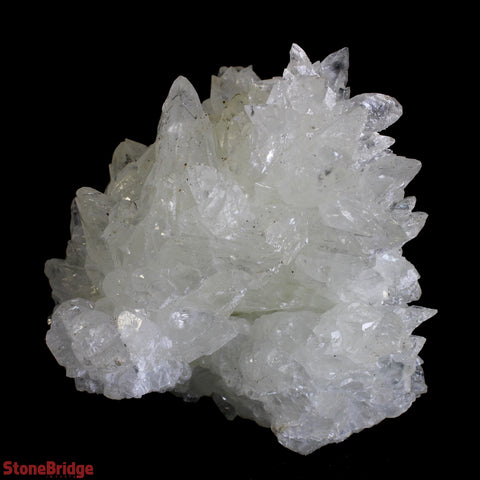
It is also soft. Calcite is the reference mineral for 3 on the Mohs scale, so a steel knife scratches it and so does quartz. It breaks cleanly in three directions into slanted blocks called rhombs, which is why raw chunks often have flat, shiny faces. A drop of weak acid makes it fizz; geologists use that as a quick field test.
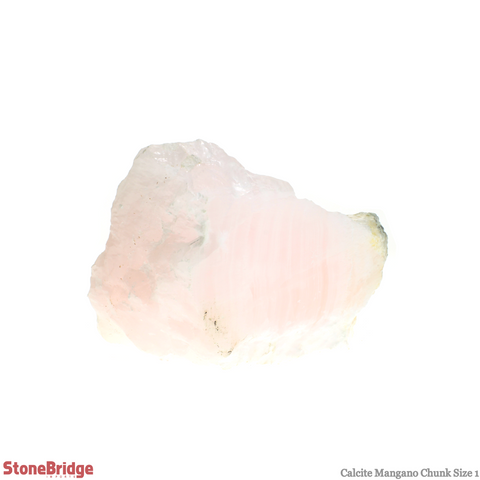
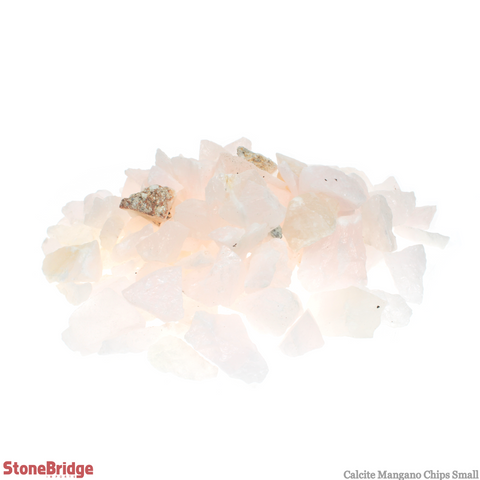
Clear calcite does something few stones do. Lay a piece on a printed word and you see the word twice. The effect is called double refraction, and the clearest material, sold as optical calcite or Iceland spar, shows it best. Some calcite also glows under ultraviolet light, and pink mangano calcite is known for its bright pink glow.
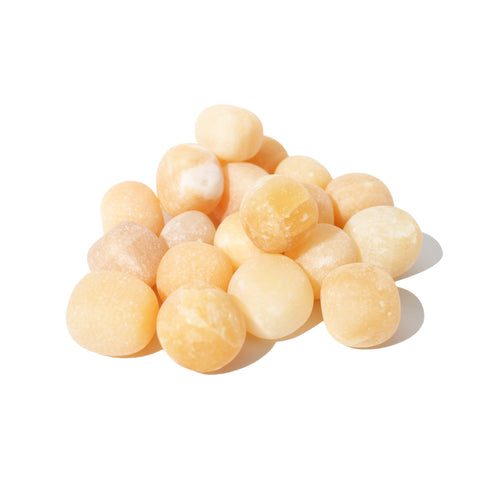
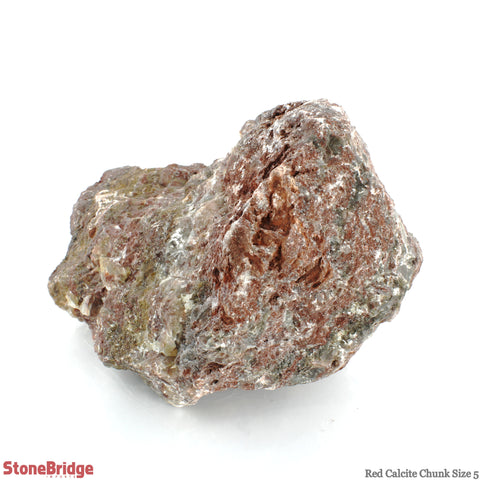
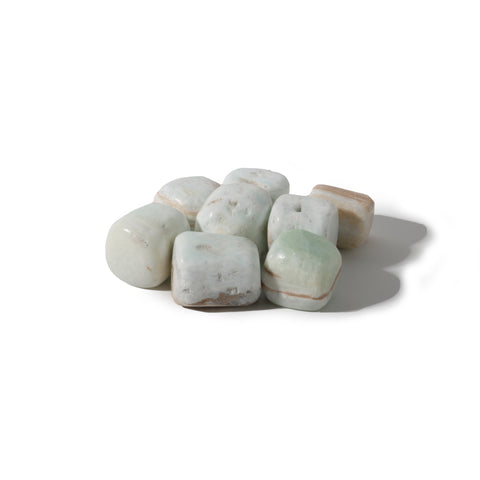
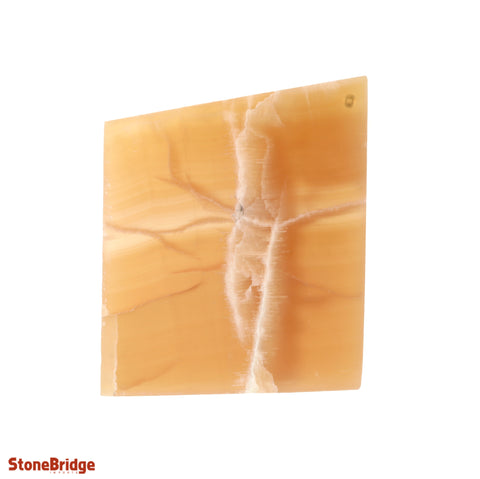
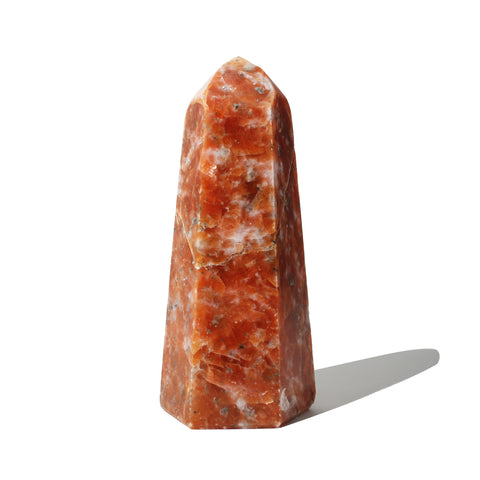
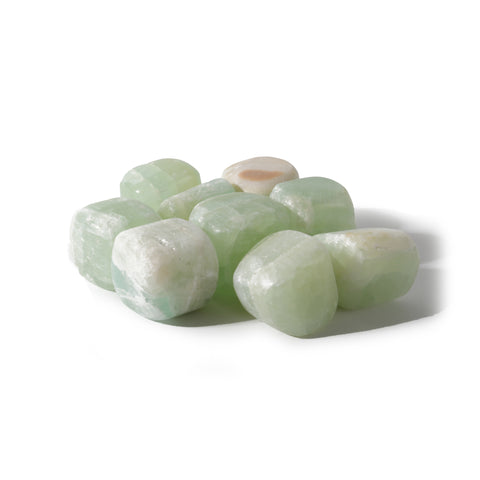
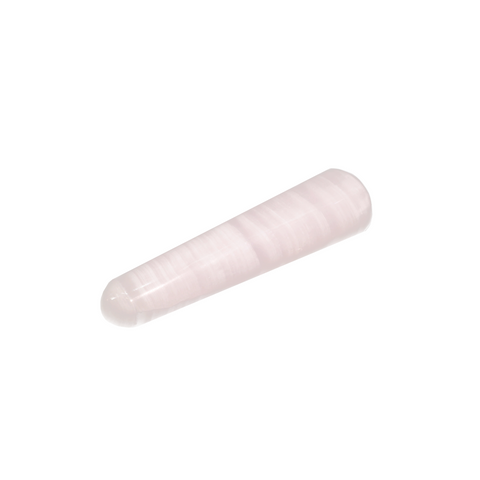
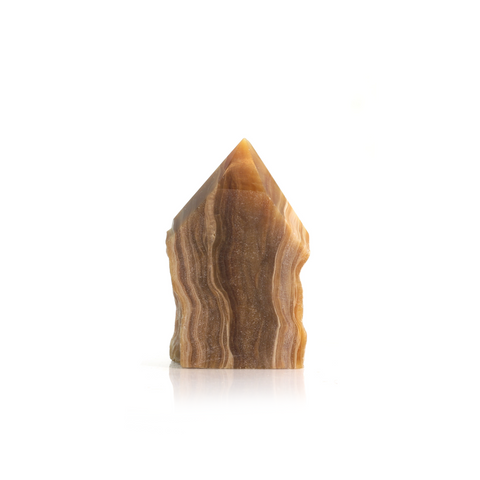
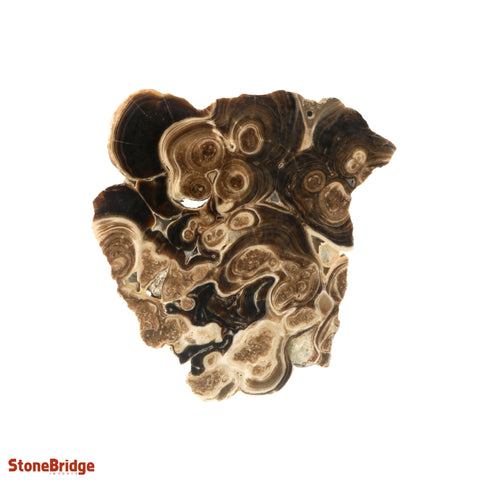
Small amounts of other elements give calcite its range of colours, from white and honey to orange, red, pink, green and blue. For a shop, that range is the attraction. Calcite comes in large, bright pieces at a low price for its size, and it carves easily into wands, hearts, towers and spheres. The trade-off is that it needs gentle handling.
Soft enough to scratch with a knife, common enough to build the cliffs and caves around us.