
Aquamarine is the blue to blue-green variety of beryl, named from the Latin for water of the sea. It rates 7.5 to 8 on the Mohs scale, forms hexagonal crystals, and has been prized as a gem since Sumerian, Greek and Roman times. This guide covers its physical properties, history and lore. In crystal lore it stands for calm seas, courage and clear communication.
The Physical Properties of Aquamarine
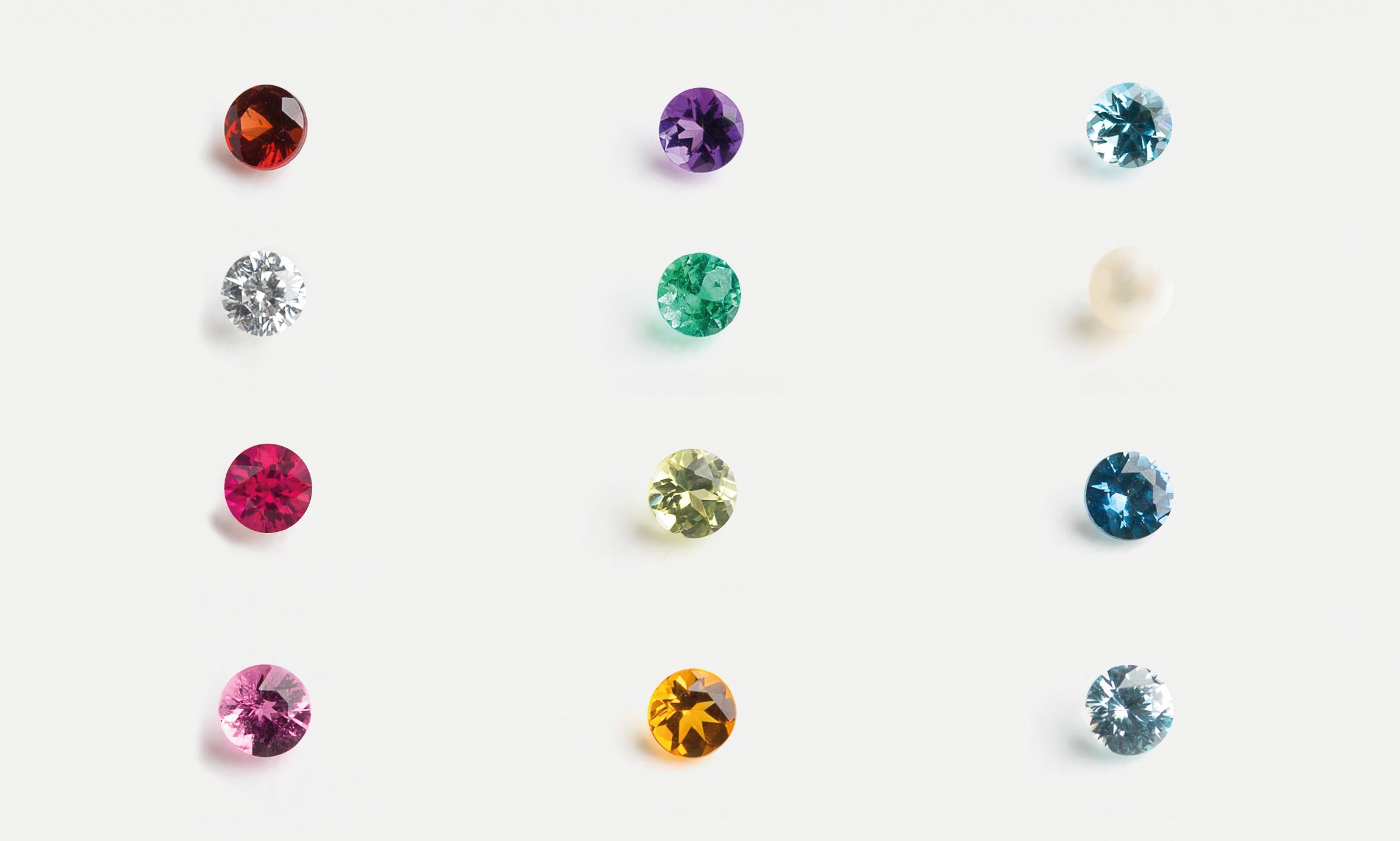
Aquamarine is a beryl mineral variety of gemstone quality. It is recognizable by its delicate blue or otherwise turquoise color. The greenish blue tint is suggestive of sea water color, hence the name Aquamarine: (aqua marina stands for water of the sea). The deeper the blue, the higher valued the gemstone. The deeper blue is achieved via a process of gradually heating the stone.
A form of beryl (a rare silicate mineral), Aquamarine is found in metamorphic and igneous rocks in many different parts of the world. Light-colored beryl stones with blue to greenish blue color are called Aquamarine. It has a hexagonal crystal system, imperfect cleavage, vitreous to resinous luster, it scores 7.5-8 on Mohs hardness scale, and is transparent to translucent.
Aquamarine is closely related to emerald, morganite and heliodor, which are the other varieties of beryl. You can also browse bead strands for aquamarine chips and beads.
The History of Aquamarine
Aquamarine was a prized gemstone in ancient Sumerian and Greek civilizations. One of the oldest mentions of Aquamarine was by a Roman philosopher named Pliny where he compares it to a treasure from a mermaid's home, a stone worth admiration. Aquamarine beauty was valued long ago in Egypt civilizations “ archaeologists have found it in numerous tombs and burial grounds.
Aquamarine of highest gem value ever recorded was found in Brazil in 1910. The stone weighed over 200 pounds. It was cut into hundreds of smaller pieces, and the combined carat weight was over 200,000 carats.
The Lore of Aquamarine
Aquamarine was used by Roman fishermen who believed it brought a bountiful catch. Sailors would carry the stone on their voyages as good luck tokens that brought calm seas and safe passage on their journey.
In medieval times, European nobility prized aquamarine as jewellery and wore it on clothing. Fear of being poisoned was widespread in medieval Europe, so aquamarine was widely popular among the nobility as a protective charm. This was a belief of the time, not something the stone does.
But the folklore doesn't stop there. Aquamarine was also considered to be a token which grants its wearer protection from harmful effects of gossip.
The Metaphysical Properties of Aquamarine
In crystal lore, Aquamarine is a stone of courage and calm. It is linked with tolerance, sharp thinking and clear perception, and it is a favourite meditation companion. Practitioners also associate it with protection and with the throat chakra.
In crystal lore, the stone also stands for speaking up with kindness. These are beliefs and symbolism, not claims about the body.
This beautiful stone has many qualities “ aesthetic, value and metaphysical properties that make it truly a crystal of beauty. A stone that brings balance and tranquility, with Earth’s most profound history written in its core.
Stock this in your shop
Aquamarine in tumbled stones and beads is a calm blue that sells well; see our aquamarine collection.
Stonebridge Imports is a Canadian crystal wholesaler with no minimum order, shipping from Kitchener, Ontario. Open a wholesale account.