


Apatite: the deceiver
It was mistaken for so many other gems that it was named after the Greek word for deceit.
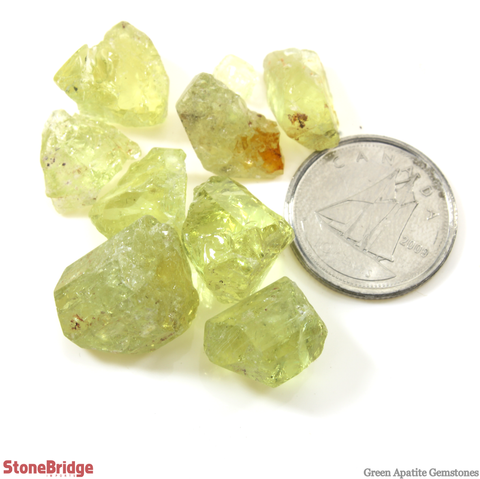
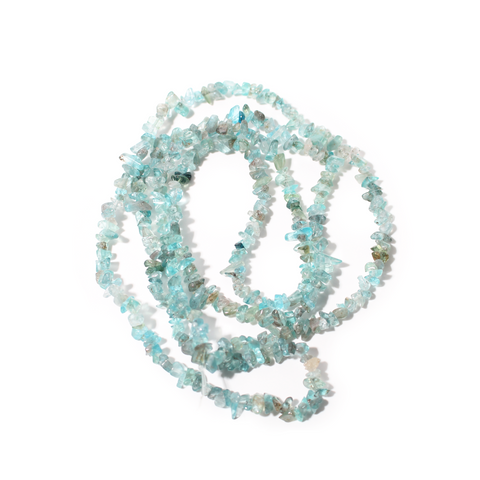
Apatite takes its name from the Greek apatao, to deceive. Early mineral collectors kept confusing it with beryl, tourmaline, peridot and other gems, because it comes in so many colours and crystal shapes. The name stuck as a warning.
Chemically it is a calcium phosphate. It is the most common phosphate mineral on Earth and the main source of the phosphorus used in farm fertiliser. A close relative, hydroxylapatite, is the mineral that makes up tooth enamel and bone. That is a fact of chemistry, not a crystal claim.
Apatite has a fixed place on the Mohs scale. It is the reference mineral for 5, softer than quartz and harder than fluorite. A steel knife will just scratch it, and it wears faster than quartz in a bag of mixed stones.
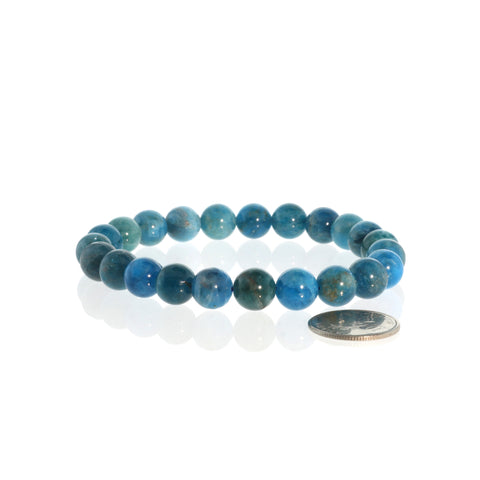
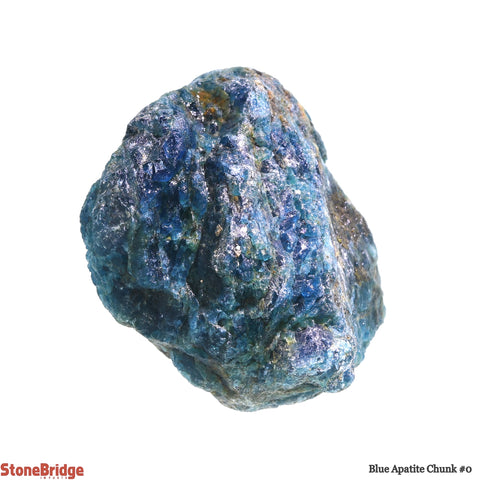
Canada has its own apatite story. In the late 1800s mines along the Lievre River in Quebec and near Perth, Ontario dug apatite for fertiliser, and the Grenville region is still known to collectors for large apatite crystals. Today most bright blue apatite on the market is massive rock, broken into chunks or tumbled, which is how most of ours is sold.
Named for deceit, because it fooled collectors for centuries.