


Fluorite: the stone that named fluorescence
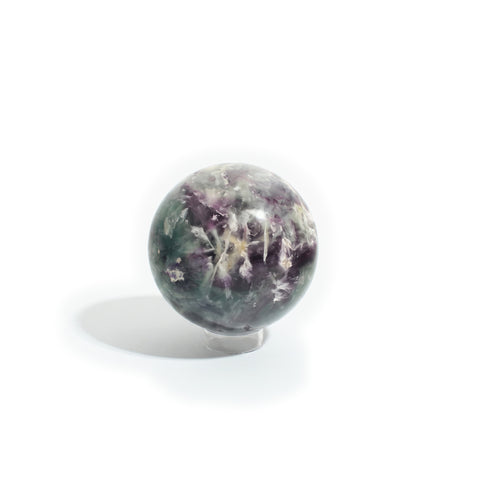
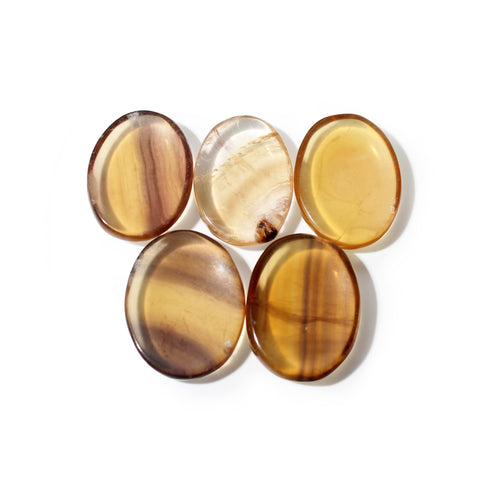
Banded in purple, green and gold, and the reason we have a word for things that glow under ultraviolet light.
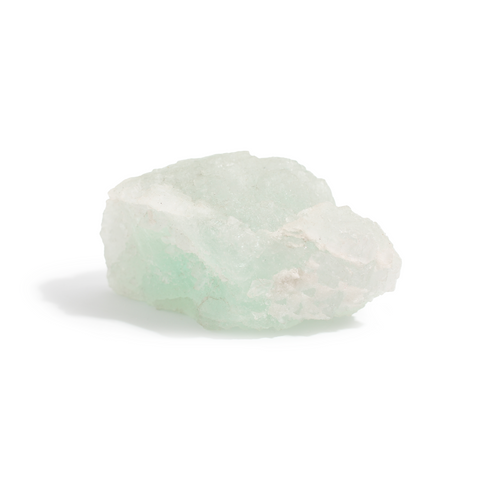
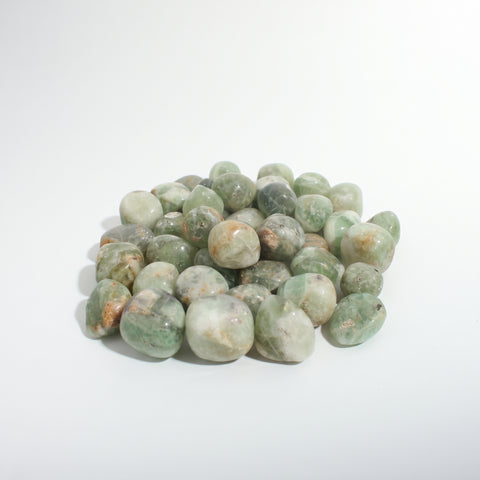
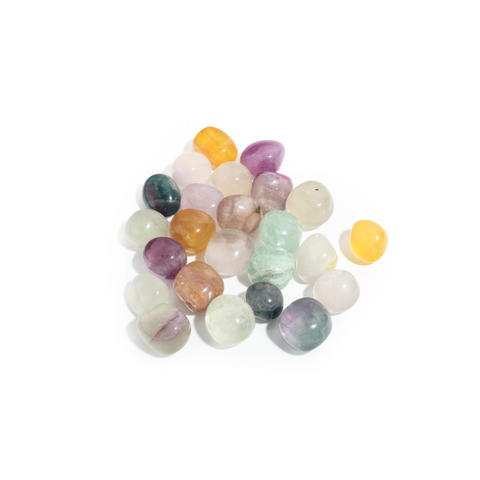
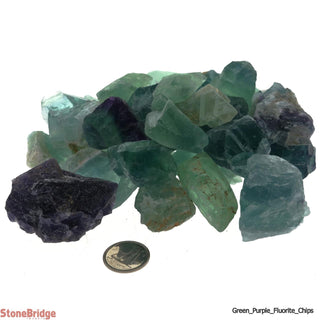
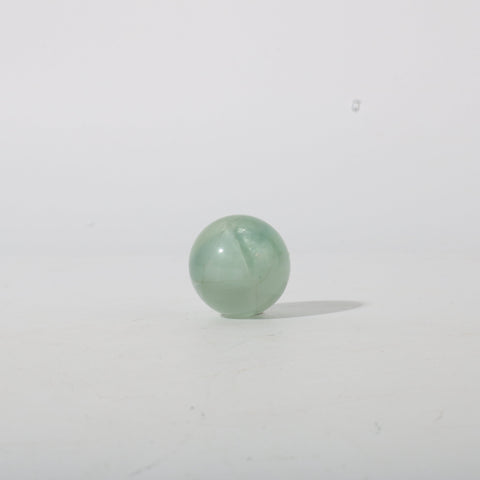
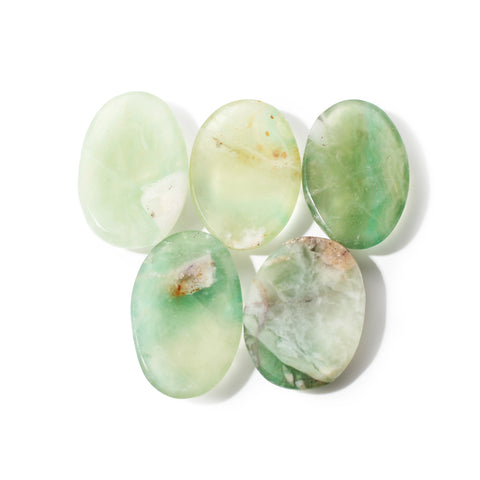
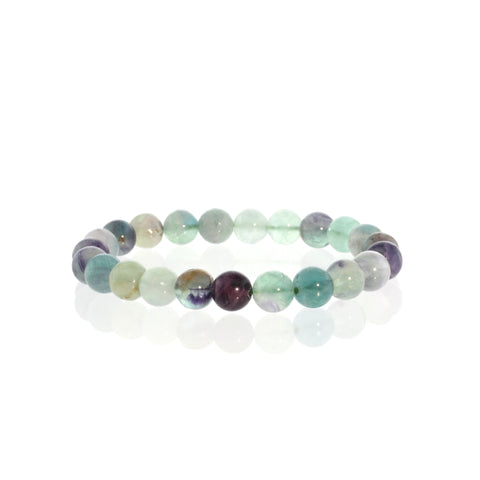
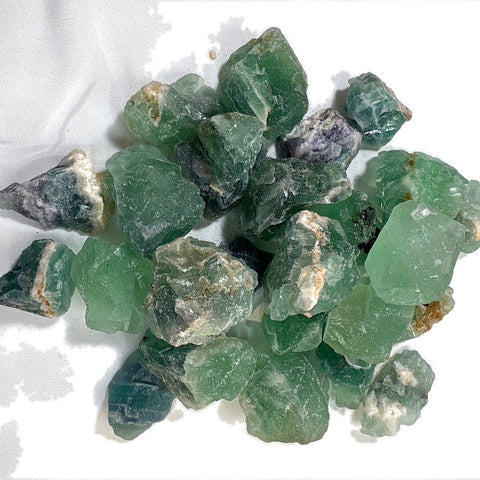
Fluorite is calcium fluoride. It grows as cubes and as eight-sided octahedrons, and it often changed colour as it grew, so a single crystal can hold bands of purple, green, blue, yellow and clear. Cut into a sphere or slice across those bands, it shows stripes that look painted.
In 1852 the physicist George Stokes studied how some fluorite gives off visible light when lit by invisible ultraviolet. He named the effect fluorescence, after the mineral. Not every piece glows, but many fluoresce blue or violet under a UV torch.
Fluorite is also soft, 4 on the Mohs scale, and it splits cleanly along four directions. That cleavage is how the neat octahedrons sold in shops are made, and it is why a fluorite sphere needs more care than a quartz one. A sharp knock can open a flat, rainbow-coloured crack inside the stone.
The mineral is mined for industry as well as for collectors; it is a source of fluorine and has long been used as a flux in steelmaking, which is where its name comes from, the Latin for to flow. In Ontario, fluorite was mined commercially around Madoc in the last century.
Lit by a UV torch, many fluorite pieces glow blue. The word fluorescence was named after this stone.