



































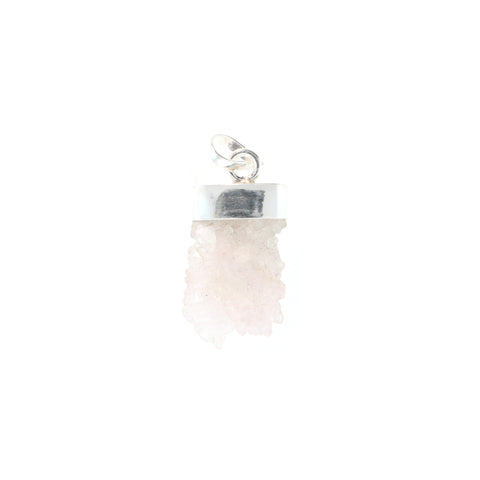

Quartz: one mineral, a whole shop
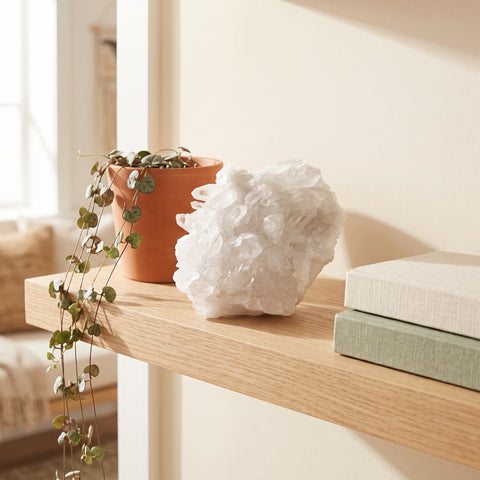
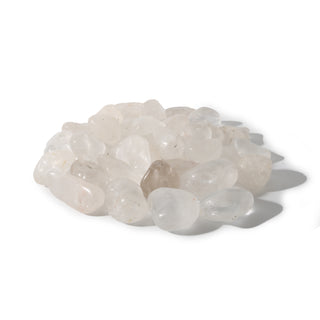
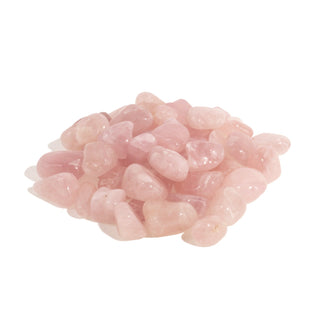
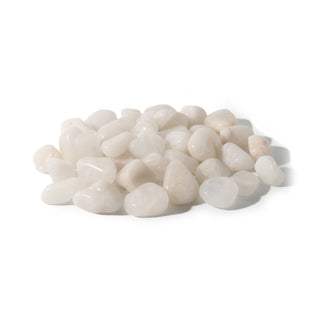
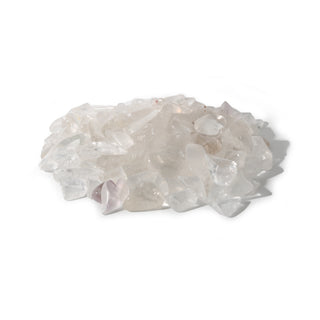
Clear quartz, amethyst, rose quartz, smoky quartz and citrine are all the same mineral. Small differences make each one.
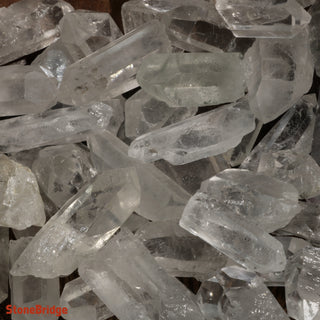
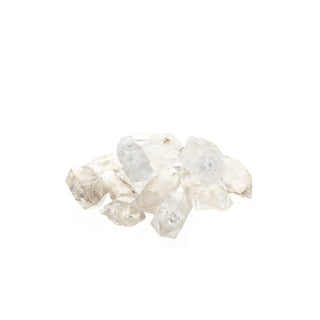
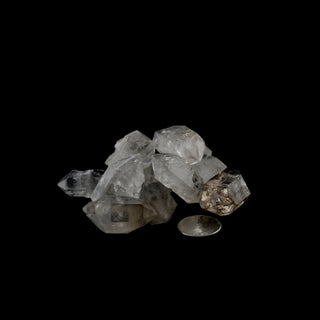
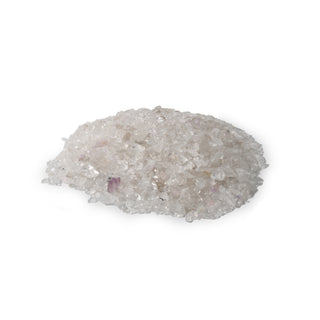
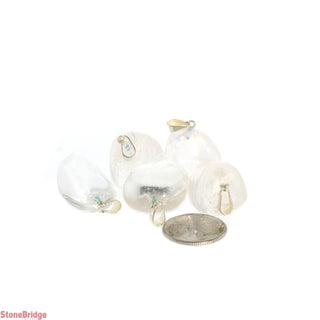
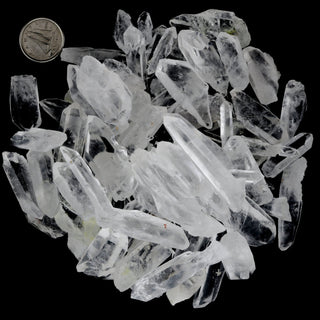
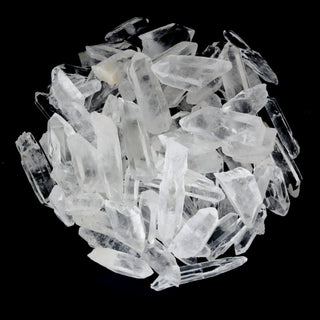
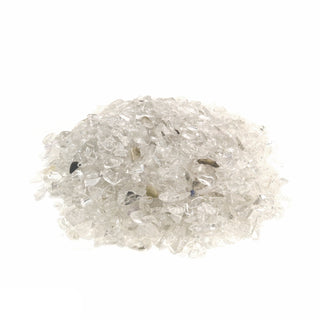
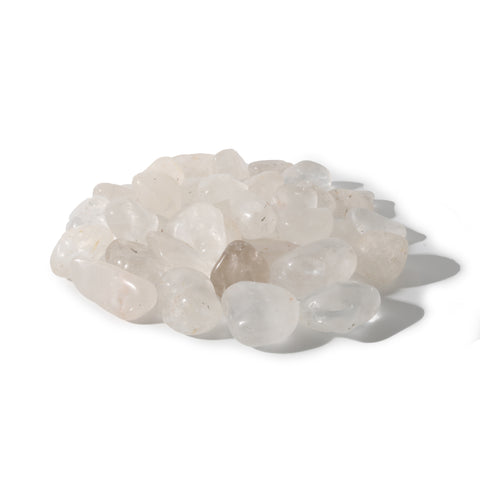
Quartz is silicon dioxide, the most common mineral in the Earth's continental crust after feldspar. Pure quartz is colourless, which is why clear crystals were once thought to be ice that would never melt; the old name rock crystal comes from that idea.
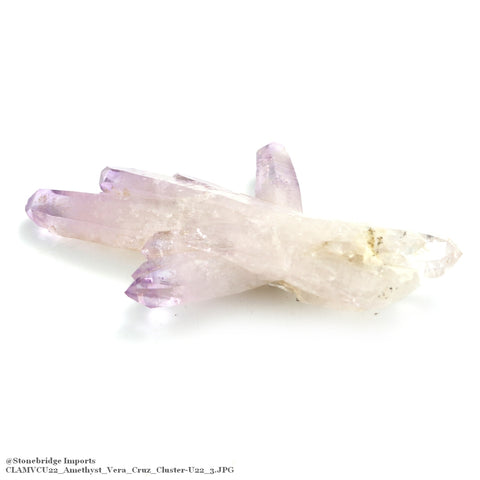
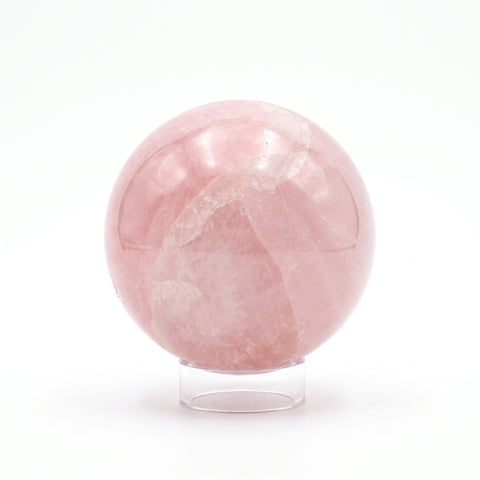
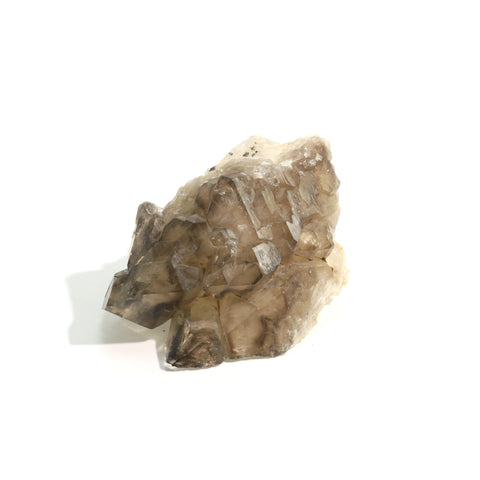
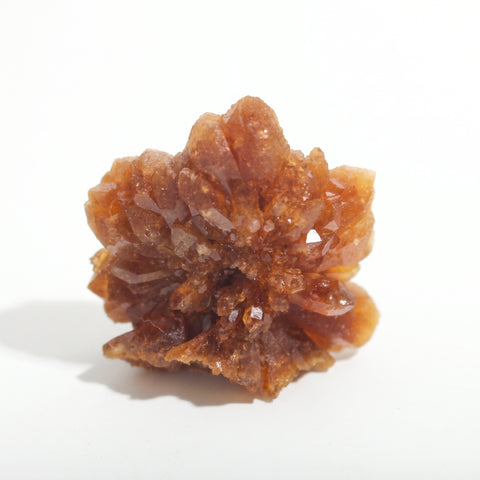
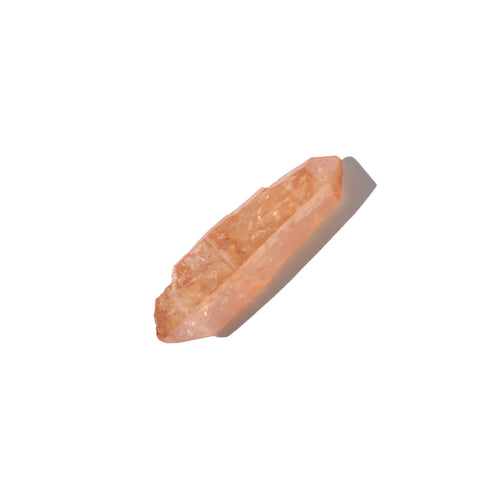
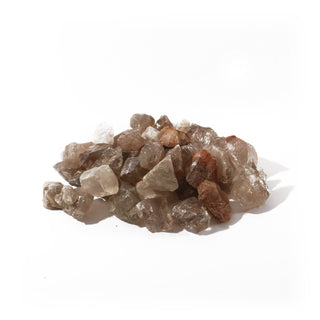
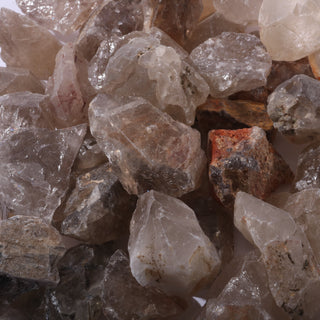
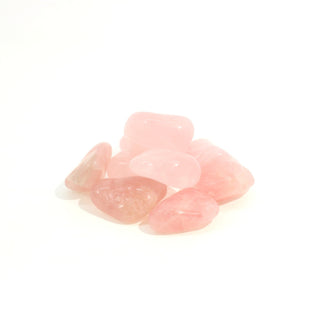
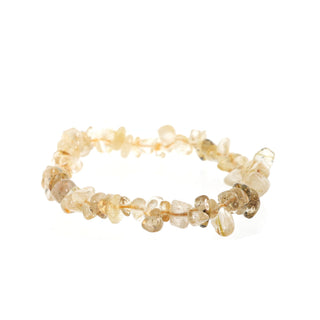
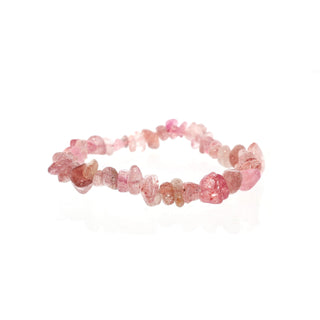
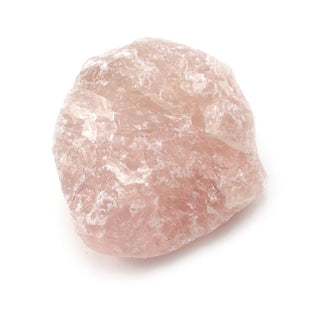
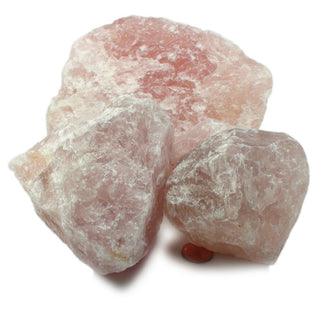
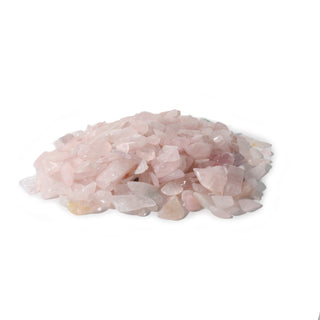
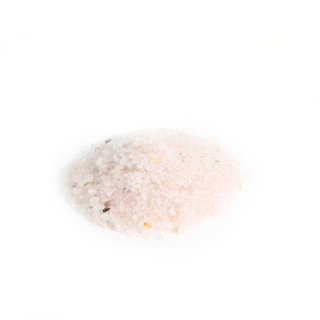
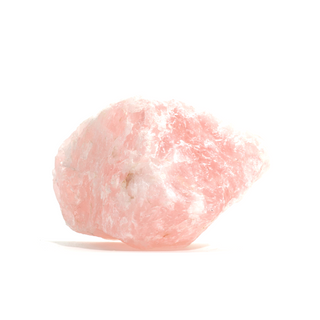
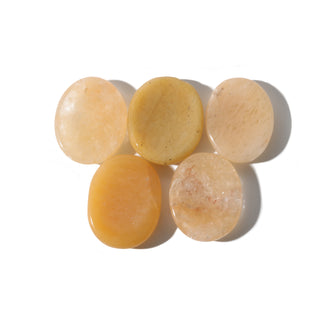
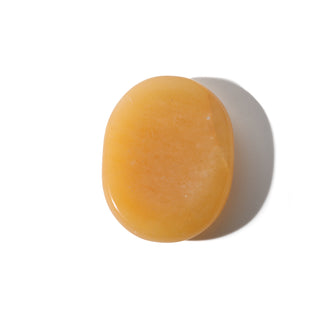
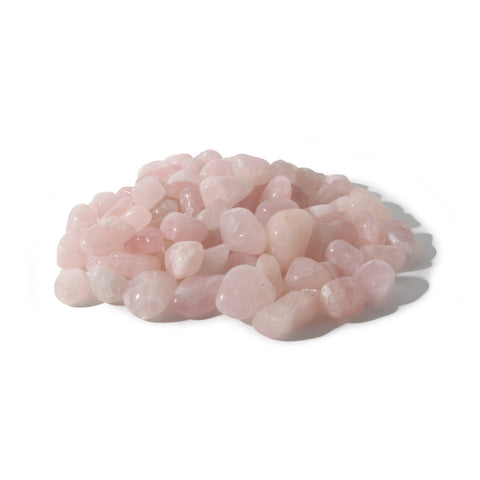
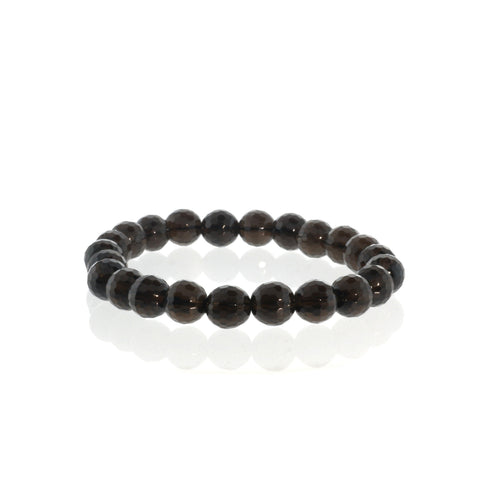
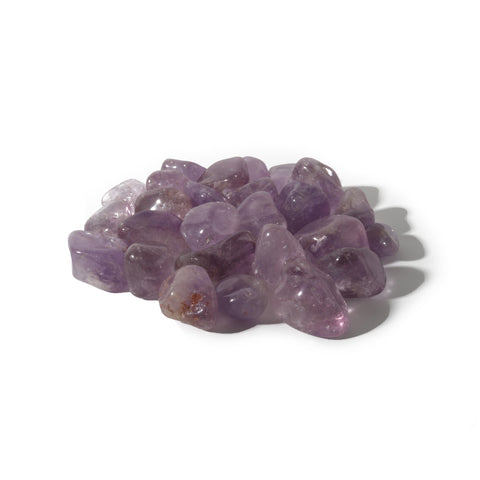
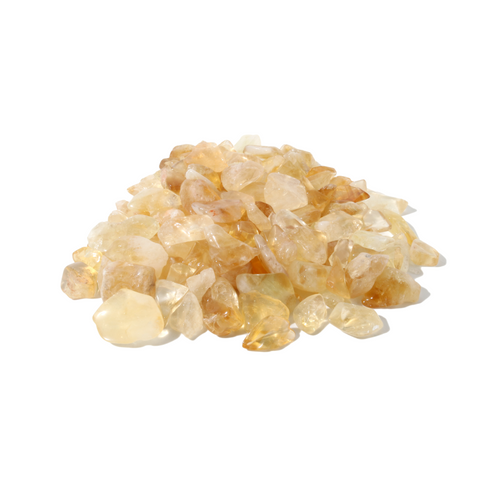
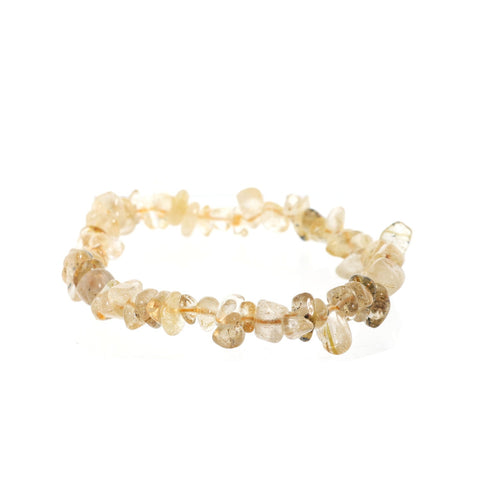
Colour comes from tiny amounts of other elements and from natural radiation. Iron plus radiation turns quartz purple (amethyst). Aluminium plus radiation turns it brown to black (smoky quartz). Rose quartz owes its pink to microscopic mineral fibres inside it. Natural citrine is pale yellow from iron, and most of the deep orange citrine sold today is amethyst that has been heated.
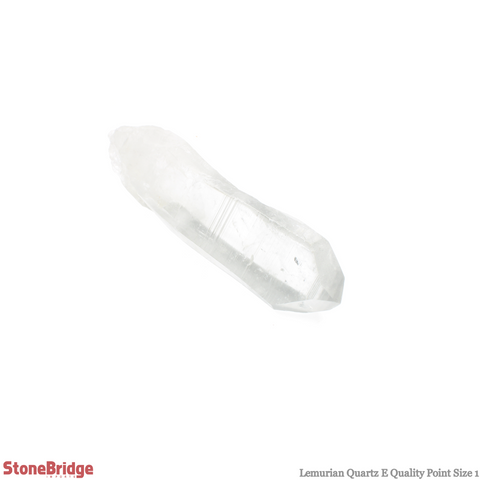
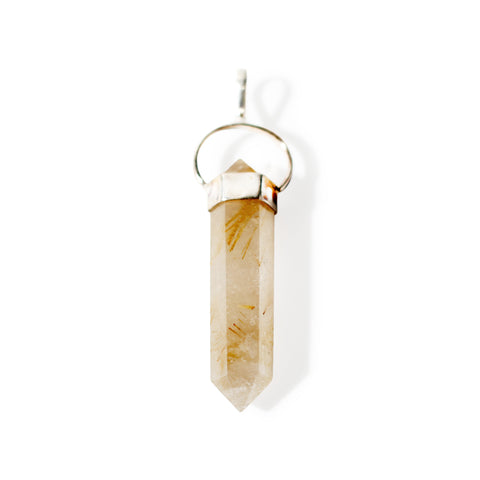
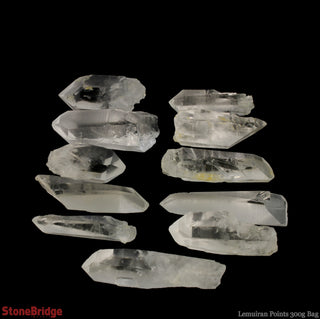
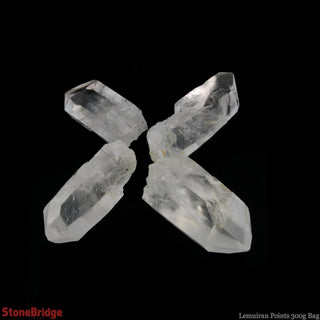
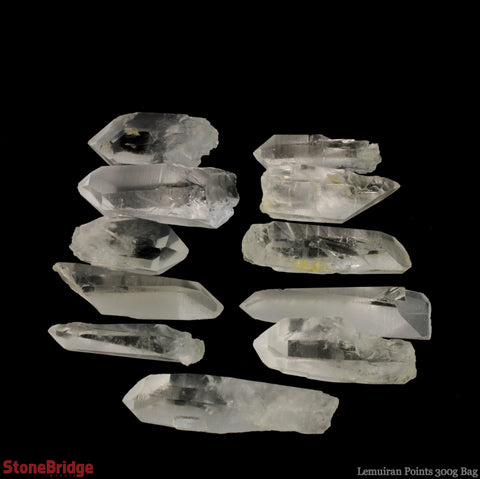
Inclusions make another set of varieties. Golden needles of rutile give rutilated quartz, black tourmaline needles give tourmalinated quartz, and earlier growth stages trapped inside a crystal show up as ghostly phantoms. Lemurian quartz, from Brazil, is known for the fine horizontal ridges across its faces.
{"Quartz is also what agate, jasper and chalcedony are made of, in a form with crystals too small to see. And because a quartz crystal vibrates at a steady rate when electricity is applied, grown quartz keeps time in most watches. For a shop, quartz is the backbone of the range"=>"hard, varied, available in every size and every budget."}
Amethyst, citrine, rose quartz and smoky quartz are the same mineral. Small differences in chemistry make each colour.