Loading

Votre panier

Votre panier est actuellement vide.

Inspirez-vous des articles en soldes !

WholesaleLapis Lazuli

The deep blue rock with gold flecks. A grade chunks and chips, tumbled stones, beads and bracelets.

11 Résultats

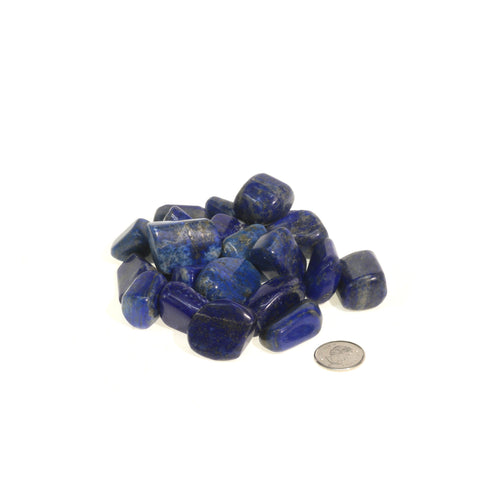
Lapis Lazuli A Tumbled Stones Small   from Stonebridge Imports
Lapis Lazuli A Tumbled Stones from Stonebridge Imports

Pierres roulées en lapis-lazuli

Retail Price: $47.00 CAD

Prix ​​à l'unité
Par 

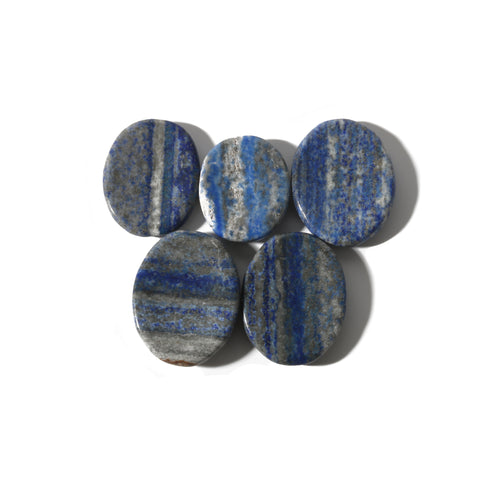
Lapis Lazuli Worry Stone - Pack of 5    from Stonebridge Imports

Pierre anti-inquiétude en lapis-lazuli - Lot de 5

Retail Price: $35.00 CAD

Prix ​​à l'unité
Par 

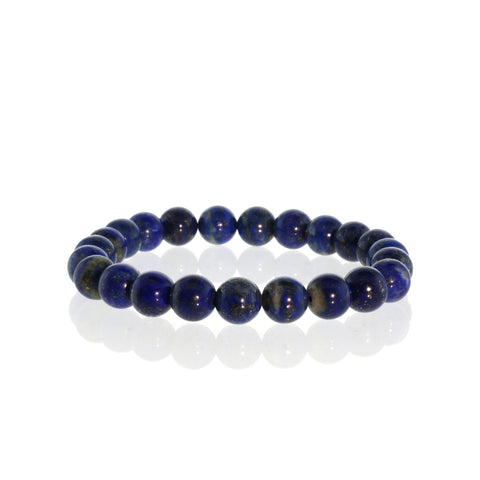
Lapis Lazuli Bracelet 8mm from Stonebridge Imports
Lapis Lazuli Bracelet from Stonebridge Imports

Bracelet Lapis Lazuli

Retail Price: De $7.00 CAD

Prix ​​à l'unité
Par 

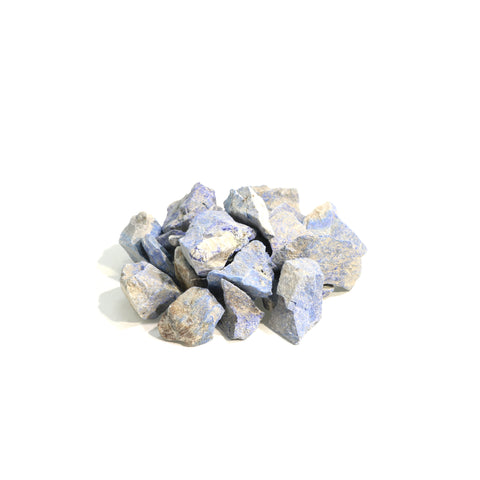
Lapis Lazuli A Chips    from Stonebridge Imports
13% de réduction

Lapis Lazuli A Chips

Retail Price: $39.00 CAD

Prix ​​à l'unité
Par 

Lapis Lazuli E Tumbled Stones - Mini Mini   from Stonebridge Imports
Lapis Lazuli E Tumbled Stones - Mini from Stonebridge Imports

Lapis Lazuli E Pierres roulées - Mini

Retail Price: $40.00 CAD

Prix ​​à l'unité
Par 

Lapis Lazuli Bead Strand 7" - 4mm from Stonebridge Imports
Lapis Lazuli Bead Strand from Stonebridge Imports

Lapis Lazuli - Fil rond 7" - 4mm

Retail Price: De $9.99 CAD

Prix ​​à l'unité
Par 

Lapis Lazuli A Chunk #0 - 2-4" from Stonebridge Imports
20% de réduction

Lapis Lazuli Un Morceau #0

Retail Price: $30.00 CAD

Prix ​​à l'unité
Par 

Lapis Lazuli A Chunk #1 - 3-5" from Stonebridge Imports
25% de réduction

Lapis Lazuli Un Morceau #1

Retail Price: $75.00 CAD

Prix ​​à l'unité
Par 

Lapis Lazuli A Chunk #3 - 5-8" from Stonebridge Imports
35% de réduction

Lapis Lazuli Un Morceau #3

Retail Price: $189.00 CAD

Prix ​​à l'unité
Par 

Stone Meaning Cards - Lapis Lazuli - 10 Pack from Stonebridge Imports

Stone Meaning Cards - Lapis Lazuli - 10 Pack

Retail Price: $10.00 CAD

Prix ​​à l'unité
Par 

Lapis Lazuli A Chunk #2 - 3 1/2-6" from Stonebridge Imports
35% de réduction

Lapis Lazuli Un Morceau #2

Retail Price: $132.00 CAD

Prix ​​à l'unité
Par 

Ways to shop

Shop lapis lazuli by form

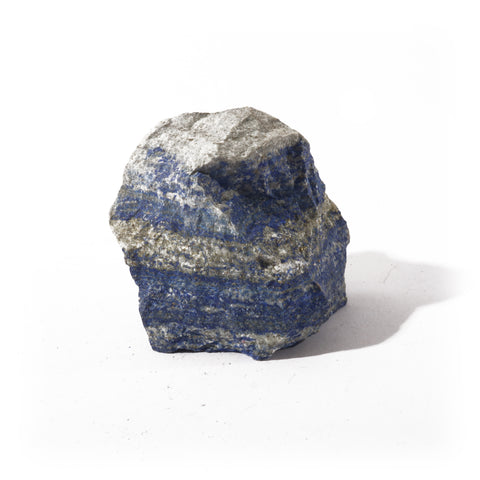
Lapis Lazuli Un Morceau #1
Stone notes

Lapis lazuli: the blue that built an empire of colour

For thousands of years this rock was the only source of a true deep blue, and it was worth more than gold.

Lapis lazuli is a rock, not a single mineral. Its blue comes from lazurite, a sodium calcium aluminium silicate with sulphur. Mixed in are white streaks of calcite, small gold flecks of pyrite, and smaller amounts of other minerals such as diopside and sodalite. The best lapis is an even deep blue with a light dusting of pyrite and little calcite.

People have mined lapis in the mountains of Badakhshan, in what is now Afghanistan, for more than 6,000 years. It was carved into beads and seals in Mesopotamia and set into the gold mask of Tutankhamun. Its name joins the Latin "lapis", stone, with a Persian word for blue.

Ground to powder and refined, lapis made ultramarine, the most expensive pigment of the Renaissance. Painters saved it for the robes of the Virgin Mary because it cost more than gold. A synthetic ultramarine was invented in the 1820s, and the price of blue fell overnight.

Lapis is softer than quartz, at about 5 to 5.5 on the Mohs scale, and its calcite and pyrite are softer still. That is why it takes a beautiful polish but should be stored apart from harder stones, kept out of acids and dried quickly after washing.

Renaissance painters paid more for lapis blue than for gold.
About the stone

What is lapis lazuli?

Plus d'infos

Le lapis-lazuli est une roche métamorphique bleue souvent façonnée en pierre précieuse, utilisée comme matériau de sculpture, pigment et décoration depuis l'Antiquité. Les spécimens les plus recherchés présentent une teinte bleue vive avec des taches jaunes dorées de pyrite dorée.

Read more about lapis lazuli

Cette pierre est associée à la royauté, à l'honneur et au pouvoir. On pense également qu'elle apporte vision et direction aux dirigeants qui la portent.


Origine

Afghanistan, Brésil, Chine, Inde et Pakistan


Propriétés physiques

Le silicate bleu, la lazurite, donne au lapis-lazuli sa teinte bleue caractéristique. Sur l'échelle de Mohs, la dureté de cette roche est comprise entre 5 et 5,5, bien que cela dépende de l'endroit où la roche est testée ; car elle est composée de trois minéraux différents, chacun ayant une densité particulière. La pierre est légèrement poreuse et souvent traitée avec des colorants et de la cire avant d'être vendue.


Histoire

À la Renaissance, on le broyait en une fine poudre et on l'utilisait pour fabriquer de la peinture pour des œuvres mettant en vedette la Vierge Marie et d'autres êtres sacrés auxquels la teinte bleue était associée.

Le bleu outremer était le pigment utilisé par des artistes tels que Van Gogh, Vermeer et Titien. Cléopâtre utilisait également cette fine poudre comme fard à paupières, lui donnant un look emblématique dont on se souvient encore aujourd'hui.

Cette pierre a été trouvée dès l'époque néolithique, 3000 av. J.-C., et était utilisée comme bijou et pour la fabrication d'objets ornementaux.


Propriétés métaphysiques

On attribue au lapis-lazuli des propriétés favorisant l'analyse intellectuelle et la résolution de problèmes. Il favorise la mémoire et aide à l'apprentissage, mais facilite également la communication et peut être utilisé pour renforcer ou créer des relations.

Cette belle roche est composée de 3 ou 4 minéraux différents, à chacun d'eux sont attribuées des propriétés métaphysiques différentes :

  • Lazurite - Intuition et développement psychique
  • Calcite blanche – Nettoie et purifie
  • Pyrite – Compréhension et résolution
  • Sodalite - Rationalité et objectivité

On la considère également comme une pierre de leadership qui apporte une vision de l'avenir et un bon jugement général. Elle est également associée à l'honnêteté et à la vérité ; cela peut se référer à soi-même ou aux autres.

La conscience de soi et l'acceptation de soi s'améliorent grâce à l'utilisation de cette pierre. Le lapis-lazuli élimine la peur de déplaire aux autres. Il purifie et nettoie ceux qui l'utilisent ; il est considéré comme très influent pour apporter de la clarté à la pensée.


Découvrez la valeur et les pouvoirs du lapis-lazuli. Cliquez sur chaque page produit pour examiner vos choix de plus près !

Mineral
A rock, not one mineral: mostly lazurite, with white calcite and gold pyrite
Hardness
5 to 5.5 on the Mohs scale, softer than quartz
Colour
Deep royal to violet blue from lazurite, with white streaks and gold flecks
Other minerals
Calcite (white), pyrite (gold), diopside and sodalite
Main sources
Afghanistan (mined for over 6,000 years), Chile, Russia and Pakistan
Varieties

Kinds of lapis lazuli we stock

Lapis in the forms shops sell most. The letter in each title is the grade of that lot. Stock changes, so tap through to see what is in now.

Photos are real pieces from our stock. Tap a variety to see what is in stock now.

In crystal traditions

What lapis lazuli is traditionally used for

In crystal traditions lapis lazuli is the stone of wisdom and truth, linked with clear speech and self-expression. It was treasured by royalty and priests in ancient Egypt and Mesopotamia.

WisdomTruthCommunicationSelf-expressionChakra: Third eye and throatZodiac: Sagittarius, Libra

Traditional associations, shared as folklore. They are not health or medical claims.

Blue stones

Lapis lazuli, sodalite or dyed howlite?

Three blue stones that are often mixed up. Here is how to tell them apart.

Lapis lazuliSodaliteDyed howlite
What it isA rock of lazurite, calcite and pyriteA single mineral, related to lazuriteA white mineral coloured blue with dye
ColourDeep royal blueDarker navy to grey-blueEven, bright blue
White partsStreaks and patches of calciteBroad white veinsGrey web-like veins that soak up dye
Gold flecksYes, pyriteRarelyNone, unless added
Hardness5 to 5.55.5 to 6About 3.5

Real, treated or fake?

  • Low-grade lapis is often dyed to deepen the blue. Dye collects in cracks and in the white calcite, which turns a dull grey-blue instead of staying white.
  • Dyed howlite and dyed jasper are sold as lapis. They lack gold pyrite flecks, and their colour sits in the veins and cracks.
  • Reconstituted lapis is powdered stone pressed with resin. It looks too even and can feel warm and light. Some lapis is also waxed or oiled to deepen the colour.
  • Sodalite is a natural blue stone in its own right, not a fake, but it is not lapis. Label it by name. Any dyed, reconstituted or man-made stone in our shop says so in the title.

Care and cleaning

  • Lapis is softer than quartz (5 to 5.5). Store it apart from harder stones so it keeps its polish.
  • Keep it away from acids, vinegar, perfume and household cleaners. The calcite in lapis reacts to acid and dulls.
  • Rinse briefly in lukewarm water and dry it straight away. Do not soak it; the pyrite flecks can tarnish if left damp.

How shops sell lapis lazuli

  • Tumbled lapis and lapis bracelets are the steady sellers, with bead strands close behind. Keep them stocked before adding other forms.
  • Sell by grade. Put A grade and E grade side by side with clear labels so customers see why one costs more.
  • Chunks sell well in a size ladder, from small to large. A larger chunk makes a good window or counter piece.
  • Tell the history. The ultramarine pigment story and the 6,000 years of mining in Afghanistan make lapis an easy stone to talk about.
  • Pair lapis with sodalite and blue lace agate for a "blues" display, labelled stone by stone.
Apply for wholesale pricing
On the shelf

How to display lapis lazuli

Lapis sells on its colour. Light it well and give the blue a background that does not compete.

  1. Warm, bright lightA warm spotlight brings out the gold pyrite flecks. Under cold or dim light lapis can look almost black.
  2. White or gold backgroundWhite, cream or a touch of gold sets off the deep blue. Avoid navy cloth; the stone disappears into it.
  3. Grades side by sidePut A and E grade tumbled lapis in neighbouring bowls with a label. The difference in blue explains the price.
  4. Chunks by sizeLine chunks up from
Questions

Lapis Lazuli FAQ

What are the gold flecks in lapis lazuli?

They are pyrite, an iron sulphide. Small, scattered flecks are typical of natural lapis.

Is dyed lapis common?

Yes. Low-grade lapis is often dyed to deepen the blue, and dyed howlite or jasper is sometimes sold as lapis. Buy by grade and label exactly what you sell.

What is the difference between lapis lazuli and sodalite?

Both are blue, but sodalite is usually a darker navy or grey-blue with broad white veins and rarely shows gold pyrite flecks. Lapis is a deeper royal blue.

What do the letters A and E mean in your titles?

The letter is the grade of that lot. Compare the photos to see the difference in blue and in white calcite.

Can lapis lazuli go in water?

A quick rinse is fine if you dry it straight away. Do not soak it, and keep it away from acids and cleaners.

How hard is lapis lazuli?

About 5 to 5.5 on the Mohs scale, softer than quartz. Store it apart from harder stones so it does not scratch.

Can I buy lapis lazuli without a minimum order?

Yes. There is no minimum order. Approved wholesale customers see their wholesale price on every product once signed in.