







Tourmaline: the stone of every colour
One crystal family, from the jet-black sticks in a protection bowl to pink and green gems with a watermelon slice inside.
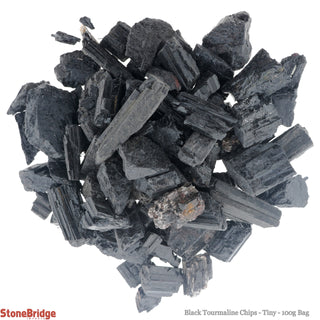
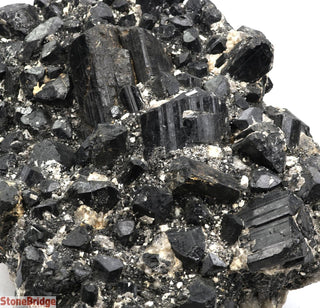
Tourmaline is not one mineral but a family of closely related boron silicates. What they share is a shape. Tourmaline grows as long crystals with fine grooves running down their length and a rounded triangle when you look at the end. Snap a black stick in half and you can often see that outline.
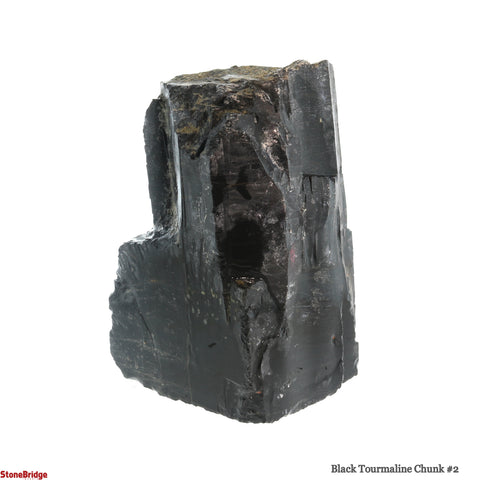
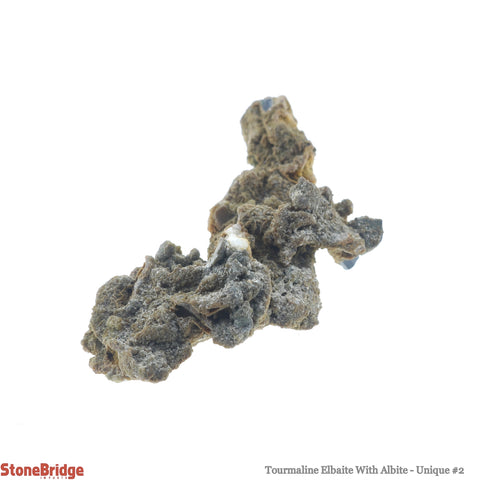
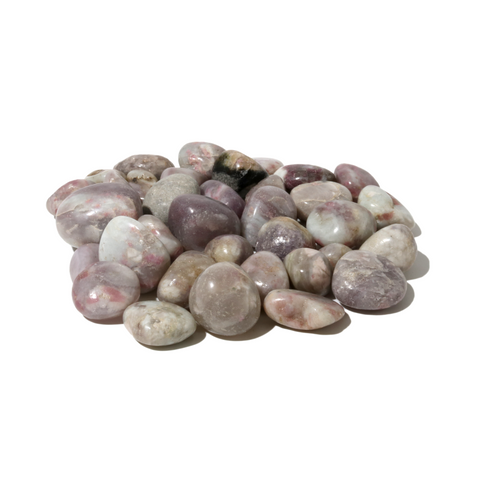
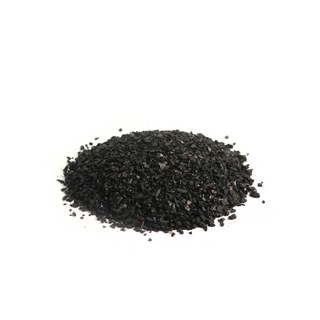
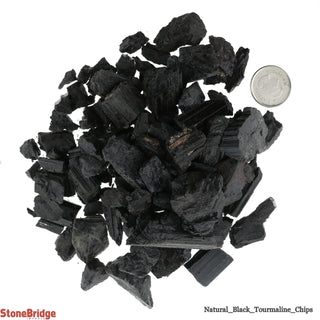
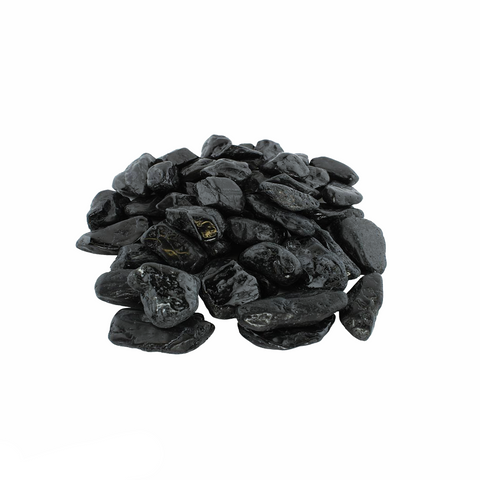
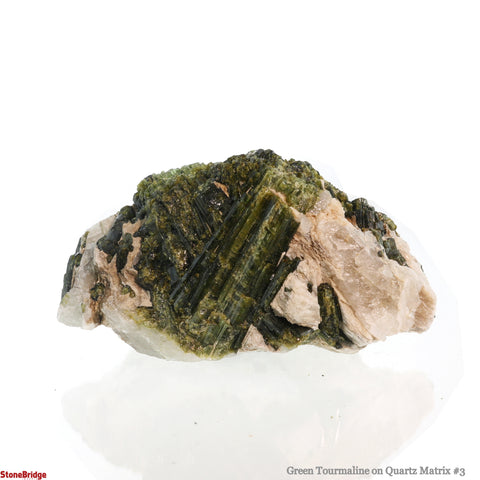
The family's chemistry is flexible, so it comes in every colour. Iron-rich schorl is black and opaque, and it is the tourmaline most shops sell by the kilo. Lithium-rich elbaite gives pink, green, blue and the two-tone crystals called watermelon tourmaline, pink in the middle and green at the rim.
Tourmaline also has an electrical trick. Warm a crystal or squeeze it and its ends take on opposite electric charges. Dutch traders in the 1700s noticed that a warmed tourmaline would pull ash out of a pipe, and the stone was nicknamed the ash puller.
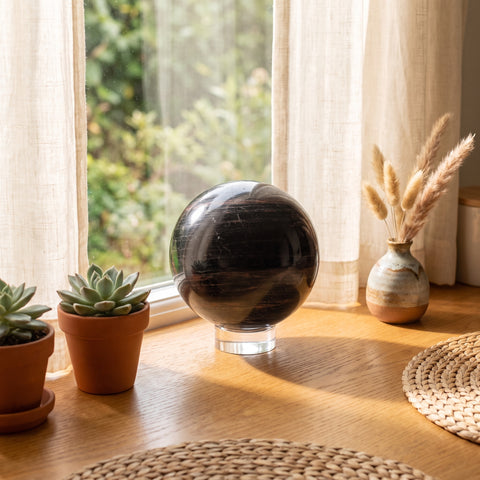
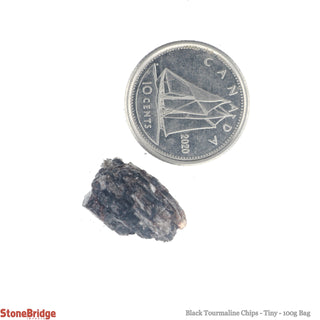
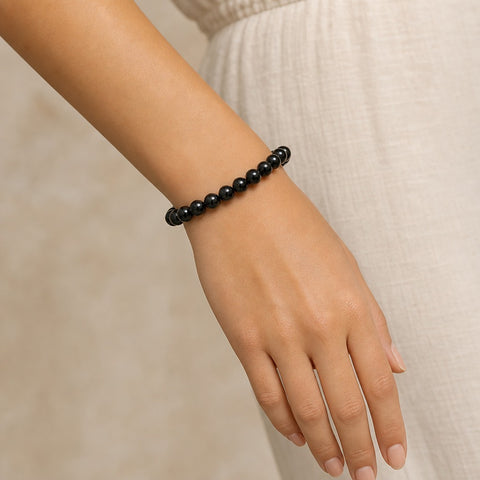
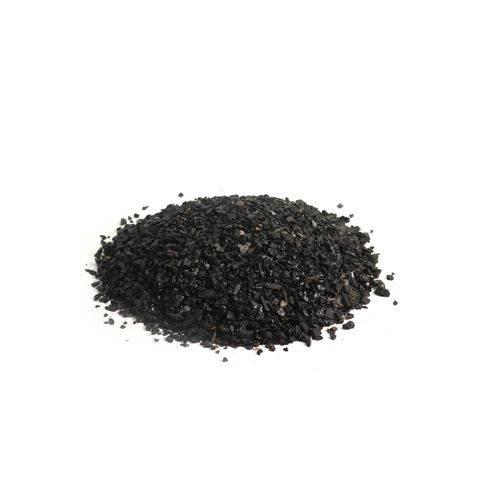
For a shop, black tourmaline is a staple. Raw chips, sticks and chunks are low in price and reorder steadily, polished towers and spheres sit at the top of the range, and the coloured tourmalines add jewellery and specimen pieces for collectors.
Black tourmaline sticks and pink-and-green watermelon slices are the same family of minerals.